AUTISM assessments
Autism presents differently across individuals and across the lifespan.
Diagnostic features of Autism cluster in three different areas.
Differences in Social Communication & Interaction
Restricted or Repetitive Behaviours & Interests
Sensory Differences
Common Signs and Symptoms of Autism
Differences in Social Communication & Interaction
Reduced or inconsistent eye contact
Limited use of gestures (e.g., pointing, waving)
Difficulty initiating or maintaining back-and-forth conversation
Literal interpretation of language (struggles with sarcasm or implied meaning)
Difficulty understanding others’ perspectives or emotions
Preferring solitary play (in children)
Challenges forming or maintaining peer relationships
Reduced sharing of interests or enjoyment
In adults, this may look like:
Feeling “out of sync” socially
Rehearsing conversations in advance
Social exhaustion after interaction
Masking or camouflaging traits to fit in
Restricted or Repetitive Behaviours & Interests
Repetitive movements (e.g., hand-flapping, rocking, finger flicking)
Repetitive speech (echolalia, scripting from movies/shows)
Strong need for routine or predictability
Distress with changes or transitions
Highly focused, intense interests
Rigid thinking patterns
Repetitive play patterns
How Can Diagnosis Help?
Better understand behaviour
Feel empowered to ask for help or advocate for young person
Determine the most appropriate treatment options moving forward.
Application for funding
Our Autism Assessment Process
Initial interview
Cognitive assessment
Review of school reports (if available)
Diagnostic interviews
Play-based test
Report preparation
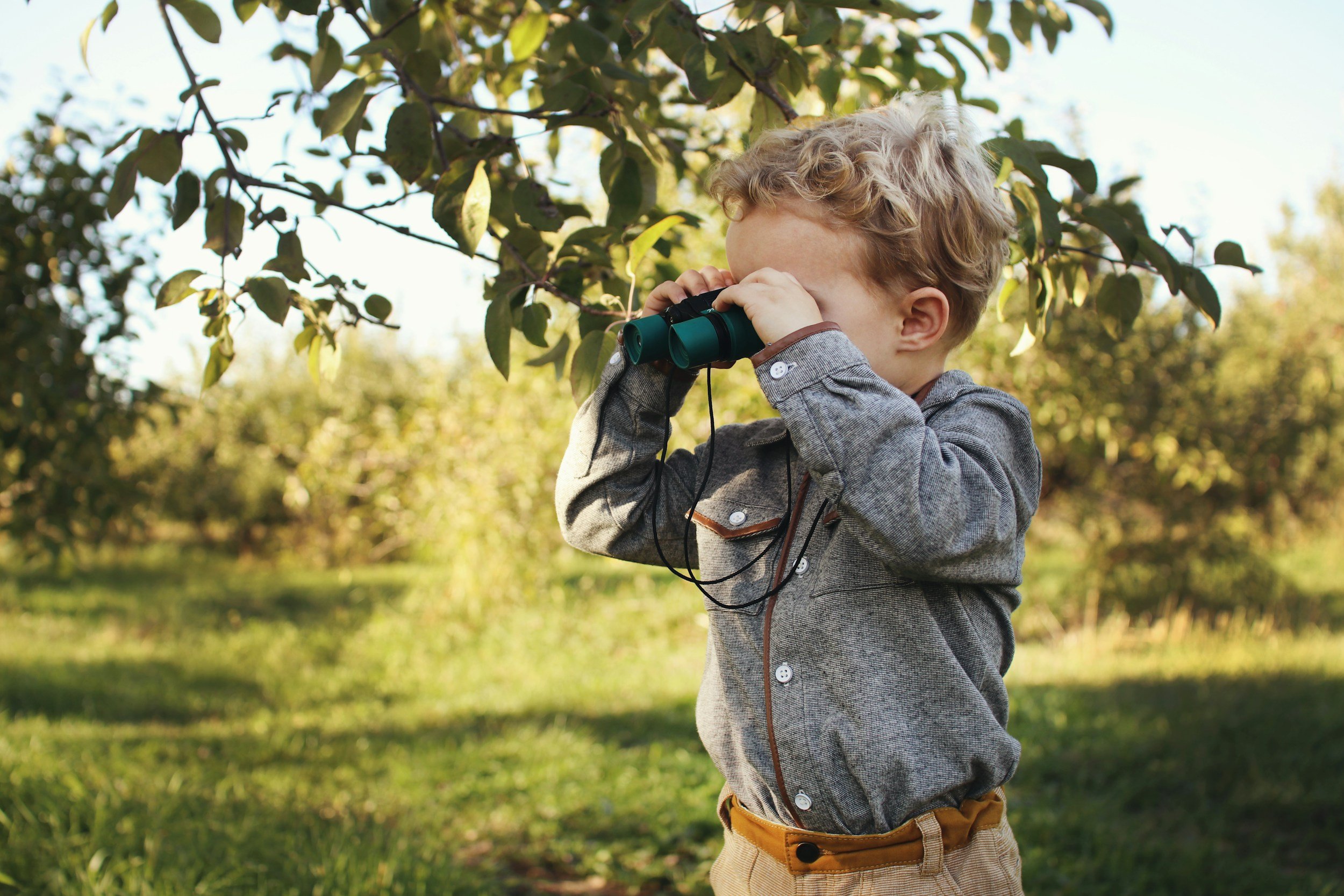
Sensory Differences
Sensitivity to sounds, lights, textures, smells
Strong clothing preferences
Overwhelm in busy environments
Seeking sensory input (spinning, deep pressure, movement)
High or low pain sensitivity